






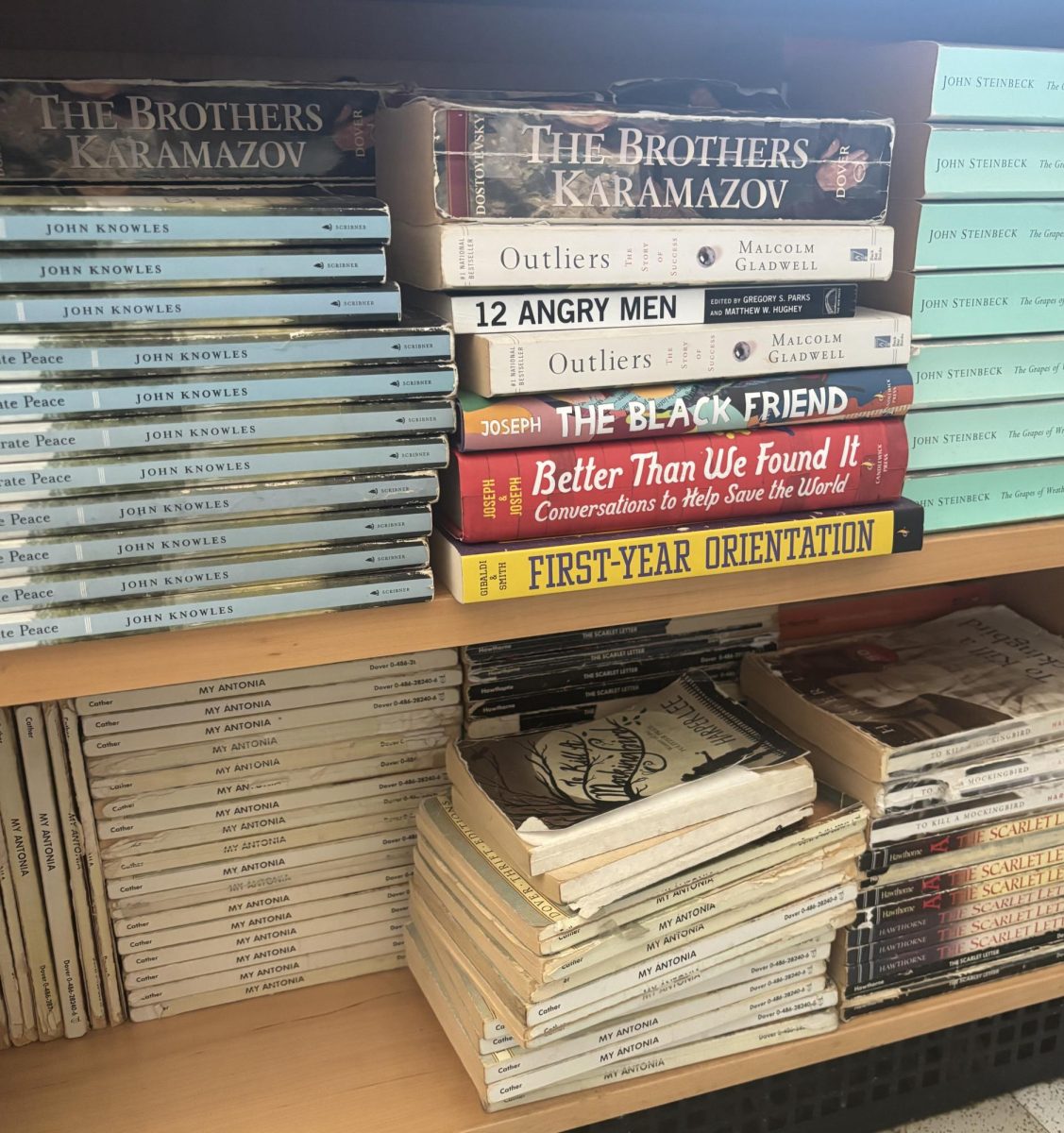













Why are some states banning certain books that are taught in schools? Florida and Iowa have banned several books, but their reasons are really strange, and to ban anything people consider “not appropriate” shows possible signs of authoritarianism.
More than 4,000 books were banned during the 2023-2024 school year according to a report from PEN America, a non profit group that advocates for free expression in literature. And it is interesting because more than half of the books that were banned or challenged had LGBT and racial themes. Some of the books are the ones listed below this paragraph.
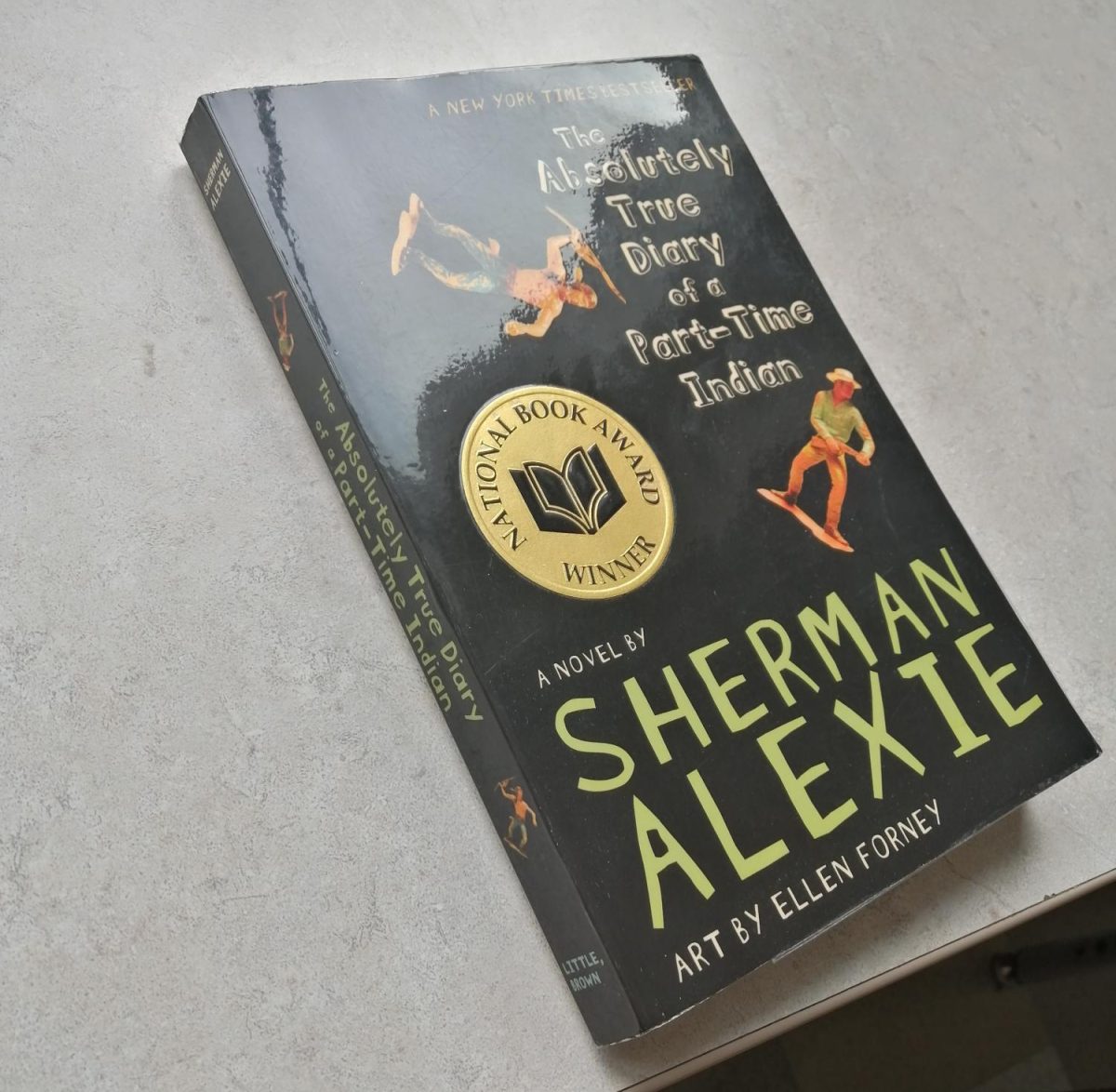
The Absolutely True Diary of a Part-Time Indian because its content includes racial slurs, bullying, poverty, drugs, and alcohol abuse.
This One Summer touches on themes like mental-health and some sexual-content, depicting a pregnant teenager.
All Boys Aren’t Blue was removed from schools 29 different times because of the story and memories of the author growing as a queer black kid in New Jersey.
So we can see a potnetial pattern on why some schools are banning books, mostly because it touches racial themes and discrimination towards minorities. Former State Representative of Texas Matt Krause submitted a list of 850 books that are supposedly not appropriate for younger teens and teenagers. Most of the books on the list touched on themes like racial and sexual identity.
It’s really weird when you see which books were challenged. The New York Times said that one of the books was about being gay in adolescence and a study of the ‘quinceañera’ which is a Latin American ritual when a teenager (female) reaches the age of 15. This repercussion started because Carrie Damon, a librarian of a middle school, was celebrating the national “Banned Books Week” where she talked about the beauty and power of literature to her working-class Latino students.
It’s sad that politicians are trying to force what can and cannot be taught based on their beliefs on what is good and what is bad. This may lead to a generation that is ignorant on important themes like race and diversity.
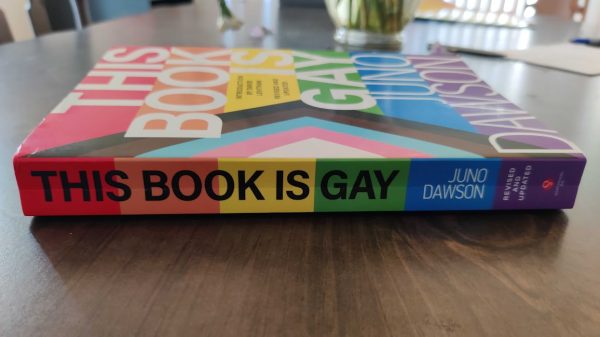
Investigating more deeply, there are many and many controversies going around this topic. In 2023, in Illinois, a middle school English teacher, Sarah Bonner, had a special day where she read different books with different topics to her students to keep their mind more open for imagination, wonder, and being able to see the world from many perspectives. As usual she gave to each one of their students a different book, and one was This Book Is Gay which is a bestselling nonfiction book. This book is a recompilation of many anecdotes by/about LGBT people, and most of the book talks about gender identity and how these people overcame homophobia and transphobia.
Some parents were mad that this book was available for their children to read and filed a police report on Bonner, accusing her of child endangerment and ‘grooming’ students. Bonner, a teacher for 20 years, was forced to resign. “The importance of representation — it’s needed now more than ever,” Bonner said during an ABC News’ interview. “We need more inclusivity, we need more access, and the books, literatures, texts — they are so key to supporting our students’ ability to read the world.”
I’ve asked Sutton High School teachers about their opinions on certain books being banned and most of them agreed that books shouldn’t be banned. There should be certain regulations on who can read the book, but banning them, making it inaccessible to everyone, isn’t the answer.
A healthy society should consider when these books should be read because they might not be appropriate for certain ages, but when the government censors a book, they’re censoring acknowledgement, they’re censoring ideas, stories, anecdotes, and any other type of information that might interest readers.
Schools should have a policy on books, but this should be general and not just censor a book because it talks about certain topics that go against their beliefs. A full education means learning about and acknowledging multiple views and cultures, not just a narrow focus on what a certain group believe is appropriate.
What do you think? Should schools regulate or ban books?