













What is gluten?
Gluten is a protein found in wheat, barley, and rye. It is a mixture of two proteins called gliadin and glutenin. When these two are combined with water they produce a sticky and elastic substance that gives certain substances their texture.
Gliadin is very sticky when it is wet and very extensible and contributes to the sticky substances in gluten. Glutenin is a protein that gives dough strength and elasticity.
A gluten-free diet is necessary for people with conditions like celiac disease or wheat allergy. Consuming gluten with celiac can cause damage in the small intestine and avoiding it can prevent that damage and let the intestine heal.
Celiac is an autoimmune disease that has a reaction to the protein gluten. The immune system attacks gluten in the digestive system and can cause inflammation which damages the inside of the small intestine. If you have celiac disease it is very important to eat gluten-free to prevent lack of absorbing nutrition.
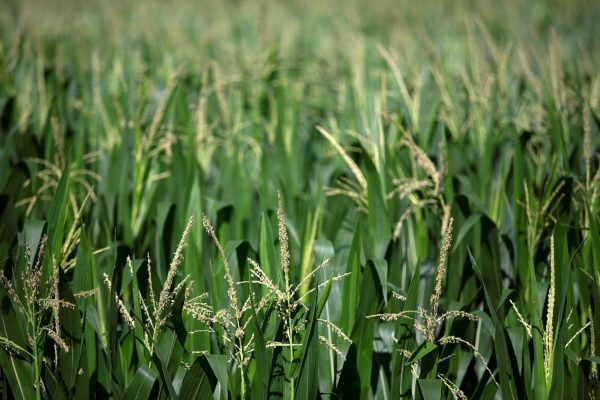
Living gluten-free means avoiding any foods that contain the protein gluten. Avoid wheat, barley, rye, and triticale and common foods like pasta, bread, many cereals and crackers.
Varieties and derivatives of wheat such as: wheatberries, durum, emmer, semolina, spelt, farina, farro, graham and einkorn wheat all contain gluten.
Barley is in cereals, soups and many other foods. It is known as a source of nutrients and its fiber promises a reduced risk of diabetes and obesity but it is not gluten-free.
Rye is often found in bread and crackers. There is rye bread, rye flour, rye grain, and rye berries. Its benefits are fiber and protein. Triticale is a combination of rye and wheat.
Most pastas and crackers have gluten.
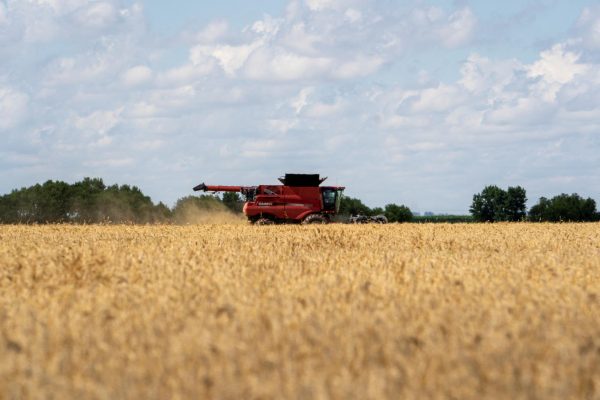
Some unexpected sources like soy sauces, dressings, soups, and medications use gluten as a thickener or filler. This creates its texture and structure making it taste better.
Being gluten free means being cautious with where cross contact can occur. For example, toasters are used for both gluten-free and regular bread but can cross contaminate. Same with cutting boards, shared containers, flour sifters, and condiments.
Fortunately, for gluten-free people it is not an essential nutrition for the human body. Some alternative foods that do not have gluten are: fruits, vegetables, seafood, dairy, beans, meat and poultry.