








































What is fat?
Fats are types of nutrients that are vital to consume for living. You might see or hear people say it is better to have less than more, but they are actually very good for you and certain types are essential for your body to function properly.
Water is one of the four main nutrients and the other three are dietary fats, proteins, and carbohydrates.
Dietary fats come with food and are broken down in the body into fatty acids that go in the bloodstream. There are different types of dietary fats, some are essential while others can increase the risk of diseases or prevent diseases.
There are four types of dietary fats.
The first one is monounsaturated fats, which come from plant based foods such as olive oils, avocados, nuts, seeds, and the oils made from these foods.
The second one is polyunsaturated fats. For omega-3, these fats are oily fishes such as salmon, herring, and mackerel and plant sources like soybean, leafy greens, and flax seed.
For omega-6, polyunsaturated fats are corn, eggs, edible seeds and wheat.
The last two are saturated and trans fats. They are the unhealthy fats found, for example, in butter and cheese which have high amounts of saturated fat. Minimal amounts of saturated fats in a diet is ideal and cautiously use trans fats which can cause long term health risks like cardiovascular diseases.
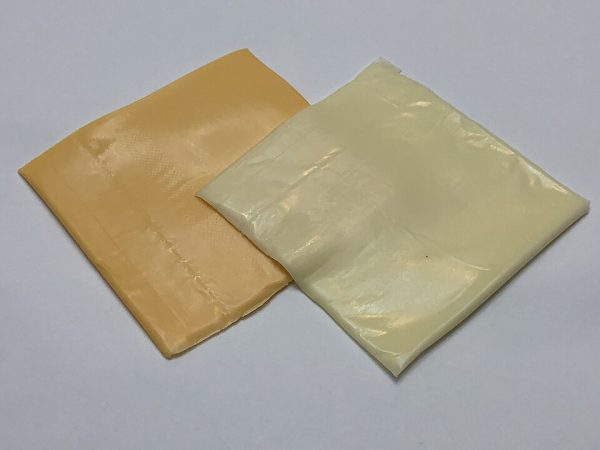
Eating unsaturated fats can help prevent, and reduce, cholesterol, inflammation and support the brain and heart health. Eating too much sugar, salt, and unhealthy fats can increase the risk of diseases.
Protein is what makes a person who they are and how they stay that way. There are at least 10,000 types of protein in one human.
Protein nutrients are found throughout the body in muscles, bones, skin, hair and nails. Protein helps build them and repair damaged cells. Protein nutrients are good to have, but not as important as you might think. An ideal amount daily would be 7 grams for every 20 pounds you weight.
Carbohydrates are what fiber, starches and natural sugars come from, all very essential food nutrients. The body turns carbs into glucose, and while chewing carbs the digestive system starts to break down. This gives the energy needed to function everyday. Carbohydrates also produce fatty acids.
Fats, proteins, and carbohydrates are very beneficial and the body needs them, but it is still important to get the proper amount in one’s diet.