
































Indoor track is very similar to outdoor track, though it is less common and less popular than outdoor track. The field events vary from high jump, long jump, shot put, triple jump, and pole vault. According to NFHS, “One major difference indoors is the track size. In the high school space, these track sizes may vary across the nation, but typically, indoor tracks are 200 meters – half the length of outdoor tracks, with tighter turns.” The field events, such as shot put, high jump, and pole vault, are modified to suit the smaller indoor space. For the running events, the lane assignment can be an advantage for the competitor, as some lanes may be somewhat of an advantage.
Sutton High School’s Program
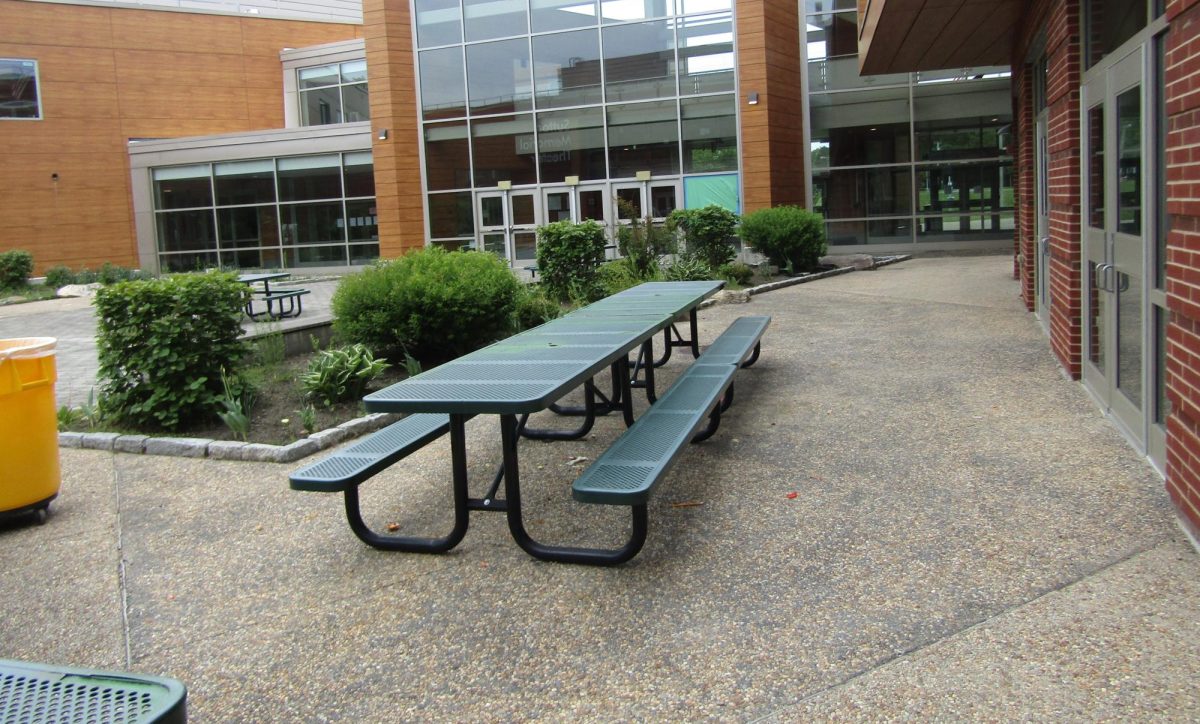
Here at Sutton High School, we have an indoor track program that has been very successful over the past years. Because of the limited space and the outdoor conditions here in New England, it can make it very difficult to train for success. We do not have an indoor track, nor do we have an outdoor track to use when the conditions are safe and warmer outside. This leaves only school hallways and gyms for practice. So what exactly does a regular practice look like for an indoor track athlete at Sutton High School?

A Typical Practice
For throwers who throw shotput and discus, they have to practice in our second, smaller (middle school) gym. Practicing discus is not possible indoors due to the tight space. Luckily, if the conditions are ideal, throwers can practice outside at our shotput and discus throwing circles. If the weather is not ideal, throwers use mats against the wall to throw their shots.
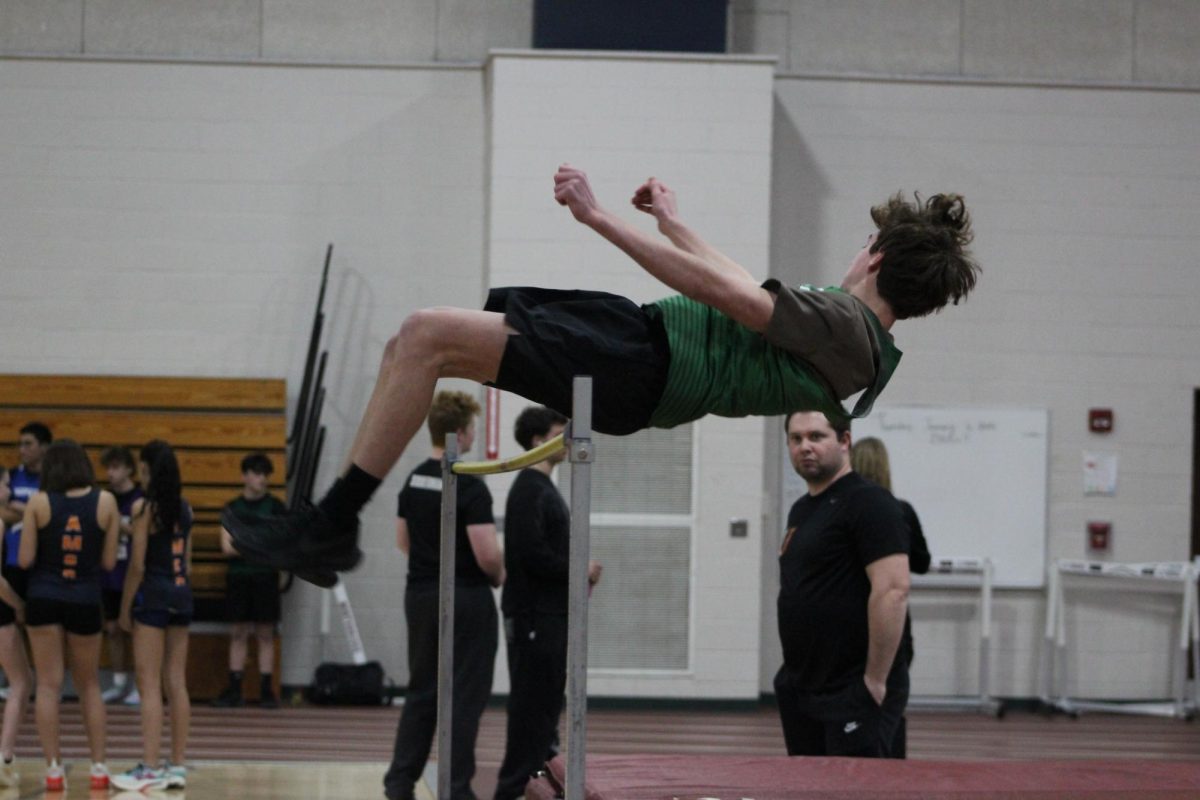
Jumpers who compete in the high jump can practice indoors easily. We have mats and the standard bar setup. If an athlete wants to compete in the indoor long jump, it isn’t easy, as we only have a sand pit outside. It’s not likely that jumpers can use this pit outside during the winter. Therefore, our jumpers are really only limited to the high jump during the indoor track season.
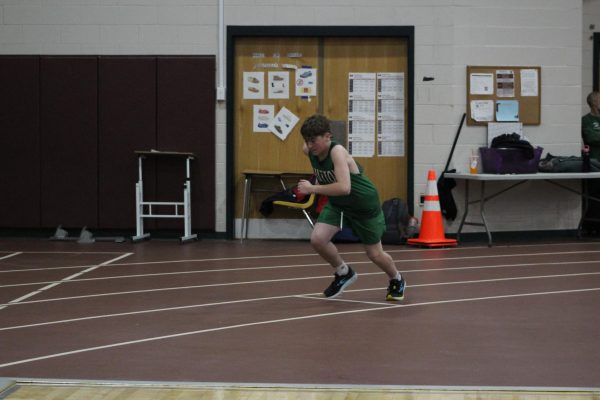
For sprinters, mid-distance, and long-distance athletes, the hallways are their homes for practice. This can be difficult as the school can be warm, and stuffiness can make breathing harder for athletes. The tight spaces and corners also pose a challenge – especially if an athlete is sprinting.
Potential Alternatives
Unfortunately, there are not many viable alternatives to help our athletes train more effectively for indoor track season. The athletes who could benefit the most from a different training venue are the runners. As discussed, there are reasonable workarounds for those athletes engaged in field events. Sutton could find out if there are ways to use one of the indoor track facilities in a surrounding town, even if this means having to practice at an alternate time. Perhaps it’s possible to have the runners practice early or late in the day so that they do not overlap with the teams who use the facility.

Despite some of the hurdles (pun intended) for the Sutton Indoor Track team, our program tends to perform very well. We have dedicated athletes who make the best out of what they have. As time goes on, perhaps we can use a creative alternative for training. In the meantime, we will continue with our current situation.