
























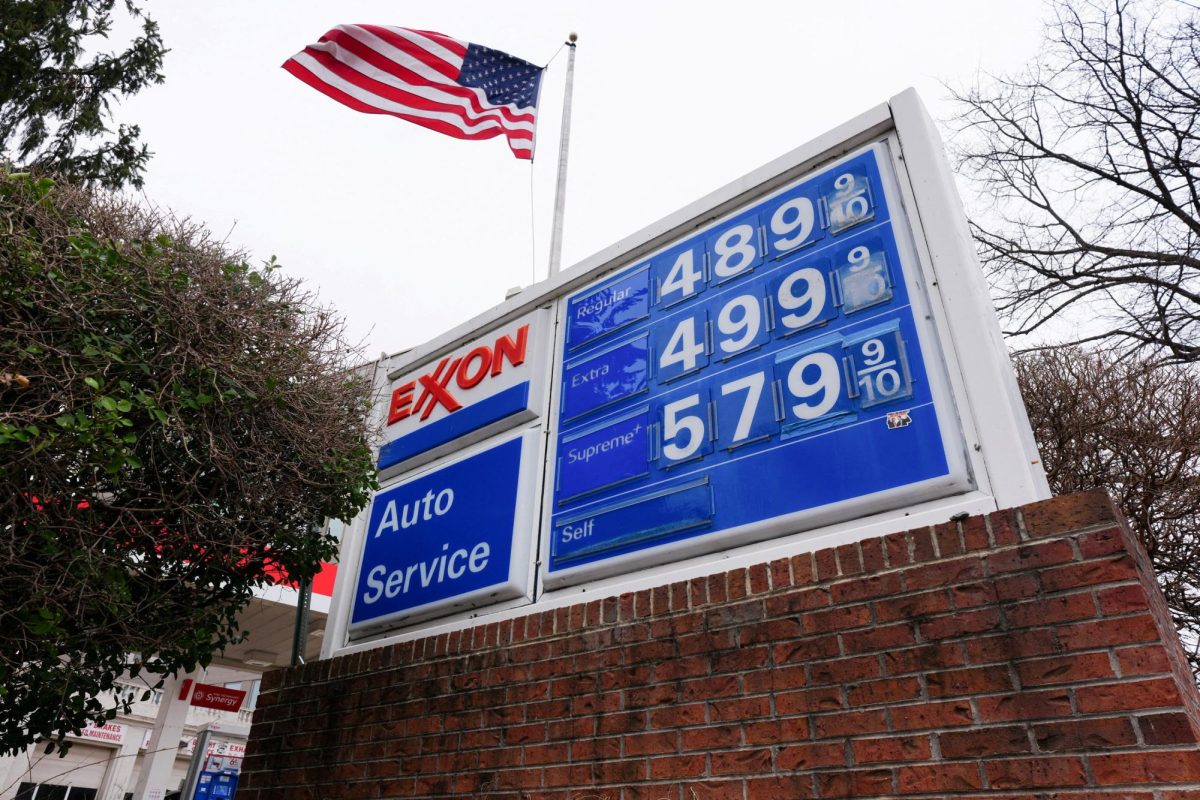












Resource depletion is a non-renewable resource that becomes scarce because they are consumed faster than they recover. This term is used mainly with water usage, fossil fuel consumption, trees, and fishing.
As the population increases and cultures advance, the demand for raw materials increases. The biggest problem with resource depletion is that using too much and without care, the planet cannot keep up with these increasing demands.
The problem of resource depletion arises from overpopulation, overconsumption, deforestation, loss of biodiversity, mining of minerals and oil, erosion, industrial development, and pollution. The three major problems this causes are climate change, biodiversity loss, and pollution.

Climate change is one of the most well-known environmental impacts of production and consumption, which is primarily caused by burning fossil fuels to create energy. This energy is involved with heavy machinery, factories, transportation, consumption, and production. Overall, the issue is very impactful on climate change.
Next, biodiversity is being lost due to clearing the land and removing trees and vegetation for production and consumption, buildings, and raw material extractions. Destroying the biodiversity of the land is harmful not only to the plants on that land but also to the animals and insects through the loss of their habitat. These consequences are very hurtful and damaging to the life-supporting food, water, and air, which all living things depend on.
Lastly, the amount of pollution that is created as a result of unsustainable production and consumption is starting to cause damage to the planet’s life-supporting systems of food, water, and air, and also as a result harming human health and the plants as well. Pollution takes place at every stage of the value chain of the product, including the extraction of raw resources, processing, manufacturing, as well as production, and consumption.
The best way to slow natural depletion and protect the planet is to monitor and look at the consumption patterns, creating new ways to preserve those resources. Something to focus on is transitioning from non-renewable resources to resources that are able to replenish themselves. This transition will preserve the environment as well as the economy and human civilization in the future.