







































A touch screen is an electronic display screen that a user interacts with using hand gestures or fingertips to drag, click, or swipe. These screens were created as a helpful alternative to using a keyboard or mouse.
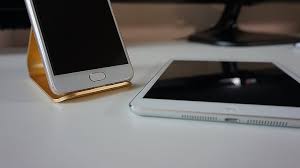
How are touch screens manufactured? These screens get built in many different steps, which takes time and patience when making them.
Step one, which is design and engineering, is the time they take to look at what is needed to make all touch screens different and unique. During the second step, they do raw material sourcing, which includes: glass substrate, coated glass, adhesives, and controllers.
The third step is glass preparation, meaning cutting glass, smoothing the edges, polishing, and cleaning. Mostly, this part of the manufacturing is used to get rid of particles and make everything look clean.
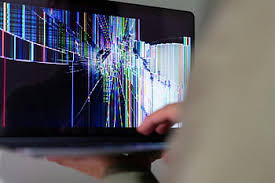
Step four is used to cover the glass treatments, meaning that it will cover the treatments to increase the durability of the product.
This fifth step is very important and it is the sensor application. This application is what traces people’s fingers on the glass.
During the sixth operation, is when they harden all the adhesives and get all of the bubbles out. The last two operations include testing and the final assembly into the packaging to be displayed.
As shown through these operations, this product takes a lot of different types of materials to make it.
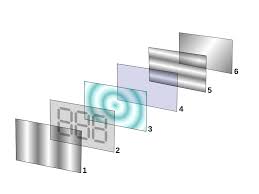
How does the making of touch screens affect the environment? The making of the screens includes LCD, which is a liquid crystal display. This display is what is used to create images on any screen, including touch screens.
There are four major impacts on the environment from the making of touch screens, which include:
- Resource Extraction, this is an impact because these screens require a significant amount of raw materials and rare earth elements.
- Energy Consumption, due to the energy-intensive nature, requiring electricity for various stages, which include fabrication, assembly, and testing.
- Chemical Pollution, this affecting the environment because it involves the use of various chemicals, which include solvents, acids, and photoresists, for the process of cleaning, etc.
- Waste Generation, this is because of the significant amount of waste from all of the scraps of glass, defective panels, and chemical byproducts.
Efforts are made to recycle and reuse materials when possible, but most of these scraps are sent to landfills. Overall, touch screens do affect the environment negatively.