

















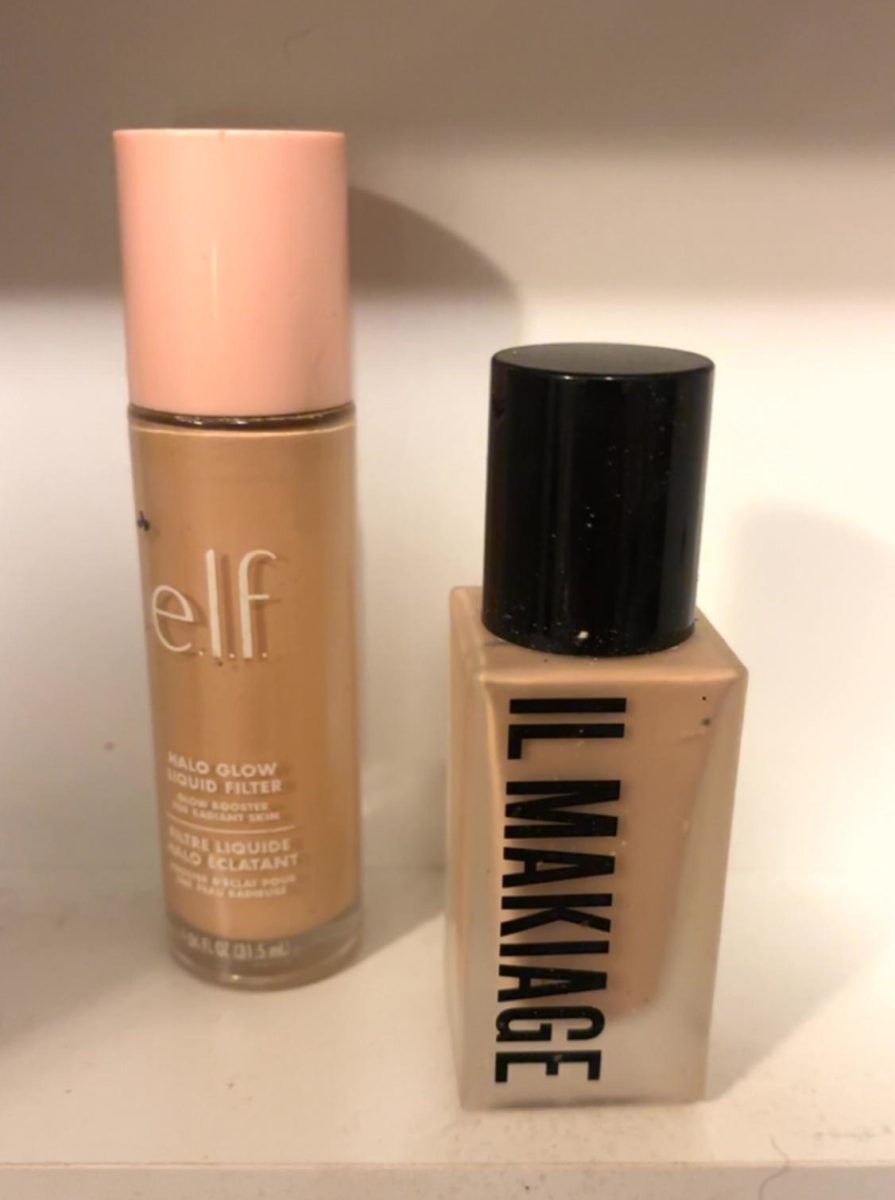

Shades of foundation in the makeup industry vary depending on your skin tone and type. There are many different shades and a lot of times it’s hard to discover what your true shade really is. A lot of the times there are too many shade varieties and can leave customers feeling lost.
Finding the right foundation shade sounds simple, but for a lot of people, it’s one of the most frustrating parts of makeup. What seems like a quick step can turn into a long process of trial and error, wasted money, and disappointment. Shade-matching isn’t just about picking a color that looks close, it’s also about finding a product that truly blends into your natural skin tone/texture, and that’s often harder than it should be.
Personally, I only used to wear foundation at dance competitions and never included it into my everyday makeup routine. Over the past year or so I’ve started my foundation match journey and have come across the common problems of: the product being too “orangy” and created splotchy discoloration throughout different areas on my face.

A major challenge is the limited shade ranges that many brands still offer. Even though the beauty industry has improved in recent years, there are still gaps, especially for people with very light and fair or very deep skin tones. Undertones also make things more complicated–they can be warm, cool, neutral, or olive. Two shades might look identical in the bottle but appear completely different once applied. This makes it easy to end up with a foundation that looks too orange or pink.
Lighting plays a huge role in colors, as a shade that often looks perfect in the store might look completely different outside in natural light. Many people test foundation on their hand or wrist, even though those skin colors do not always match the color on their face. While customer are testing the products in store, many of the store use bright, artificial lighting that can both either wash out the skin or make certain tones look warmer or cooler than they actually are. Overall, this tricks people into choosing a shade that seems like a match at the moment but does not look right once they leave the store.
A final issue in shade-matching is cost. Not everyone can afford to buy multiple shades just to find the right one. Returning used makeup is often not encouraged and isn’t easy. This makes people stuck with the products they won’t use. It adds a lot of pressure for customers to try to find the perfect shade for them the first time around, which isn’t always realistic.
