




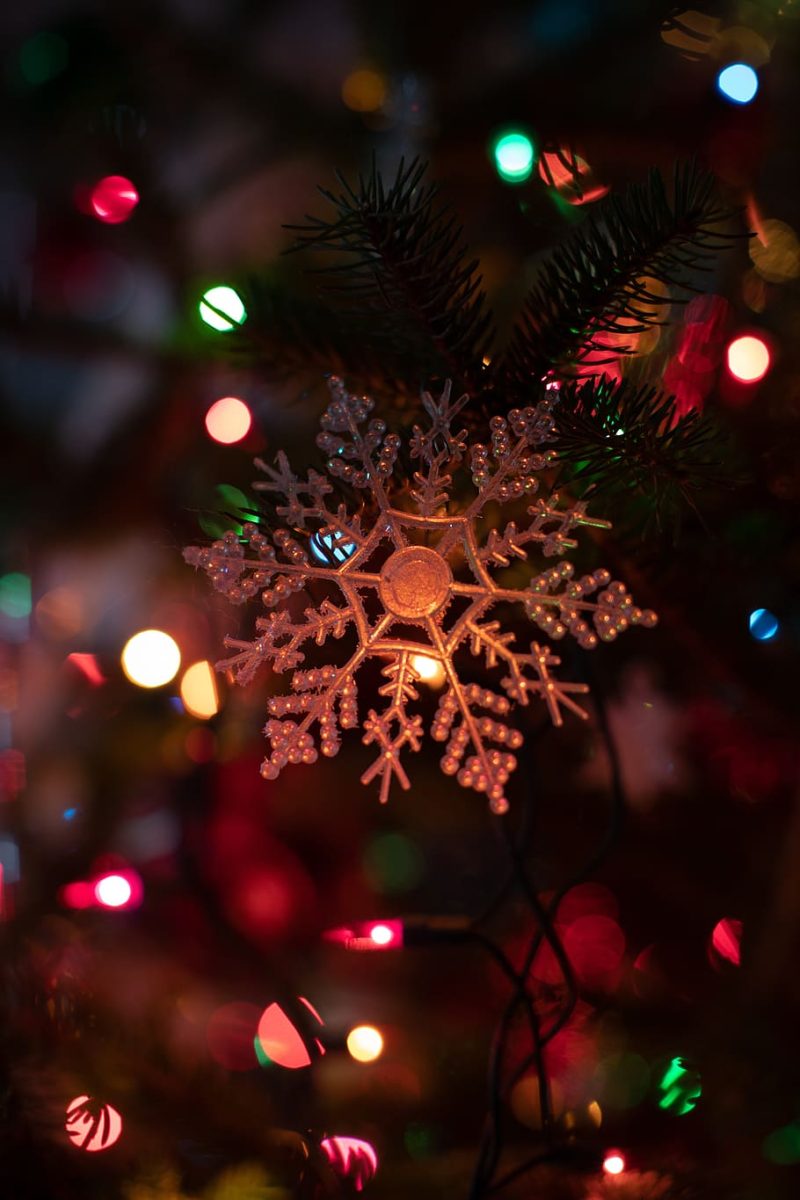


















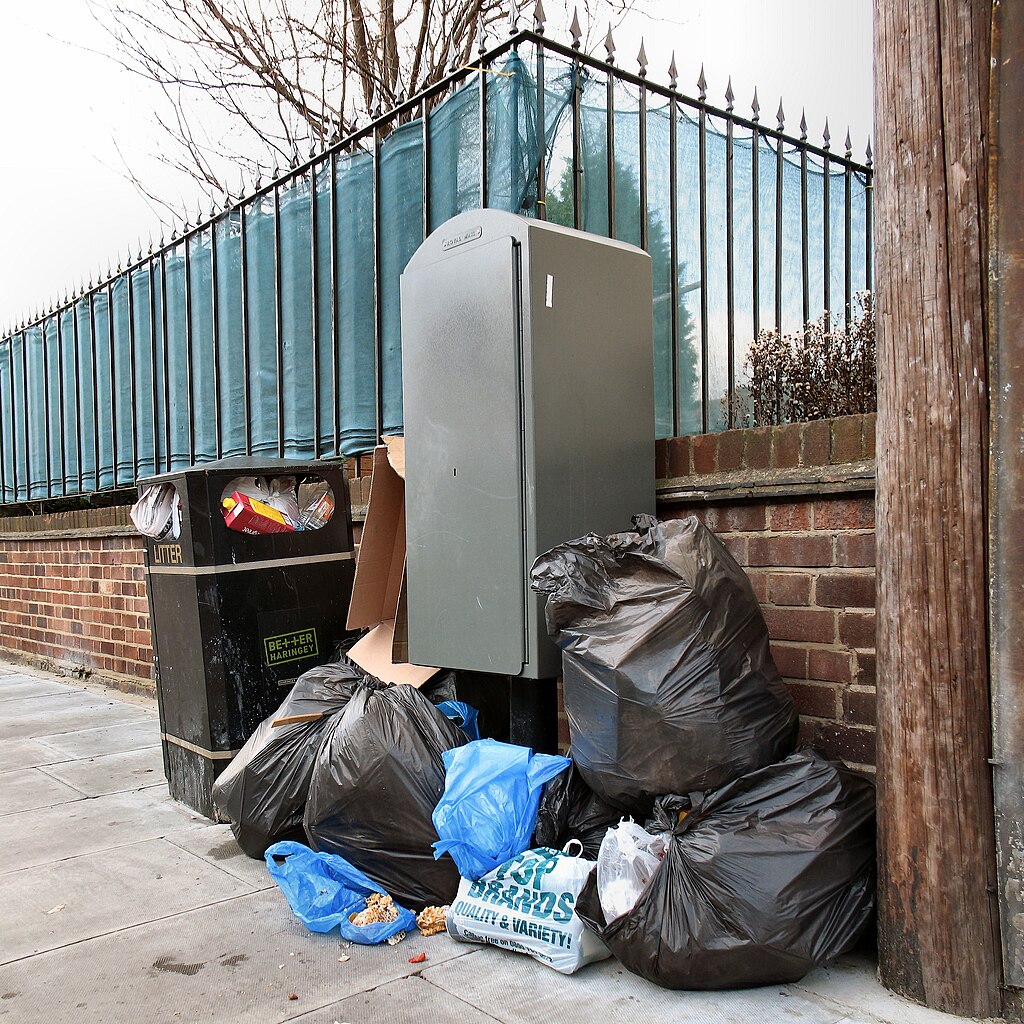
Christmas waste is the used wrapping paper, boxes, festive foods, and Christmas trees and decorations from the holidays.
After the holidays, everything used, such as wrapping paper and festive food, gets thrown away, and Christmas trees get dumped outside and in backyards. These trees that get put in these backyards to rot away release harmful chemicals into the environment.
In total, the amount of waste created during the holidays is roughly 25 million tons. The holidays are a time to celebrate how thankful people are, but it is also important to consider how to show the world kindness.
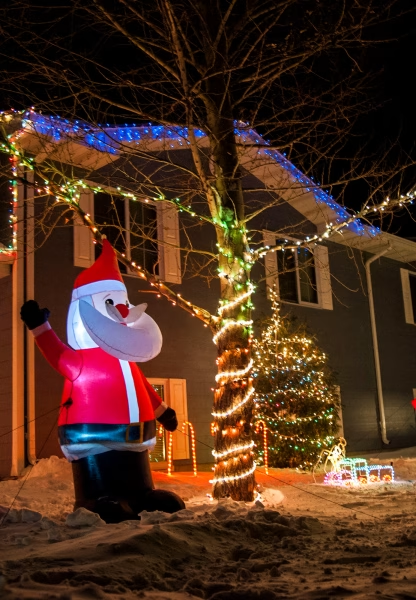
As the holiday approaches, people should consider and realize how these festivities, such as opening presents etc., have environmental impacts.
When this time of year comes around, most fail to recognize these impacts, but now, however, is a great time to see these issues and make a few changes to conserve the magic of Christmas and the health of the environment.
How do presents impact the Earth’s health? What can people do to help lessen the issue?
The manufacturing and shipping of gifts have a massive carbon footprint, harming the environment by adding to global warming.
Another environmental impact of presents is the amount of waste produced from the packaging and wrapping paper. Over 100,000 tons of plastic packaging are thrown away. Most of the wrapping paper from presents ends up in landfills.
Things people can do to reduce these problems are to first consider the types of presents that are being bought. Ask questions such as “Will it last a long time?” or “Is this wasteful?”
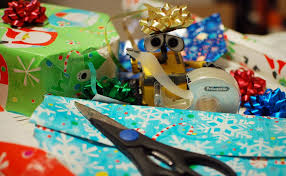
Secondly, change the wrapping paper that you use. There are many recyclable options, and selecting wrapping paper without glitter means it can be sent to recycling rather than a landfill.
How do Christmas trees negatively impact the environment? What can people do to help decrease the problem?
Christmas trees are a staple of Christmas. It is roughly estimated that seven million real Christmas trees are sold.
Real trees can harm the environment, and these trees do not act as a good habitat for a range of species.
Also, a real tree may seem more beneficial to the environment, but it isolates carbon over its lifetime, whereas these numerous Christmas trees are burned after the holidays, releasing black carbon back into the atmosphere.
Some may think that bringing the trees to a landfill would be better but it’s not because they can release even more greenhouse gases, particularly methane, during the long process of decomposition.
Ways that this issue can be improved are to get an artificial tree and reuse it as many times as possible, or if people would rather have a real tree, it is recommended to buy it locally, and to dispose of it correctly after the holidays by recycling the tree.
Overall, this problem is something people can fix with simple alternatives and something people should give a try to improve the environment.