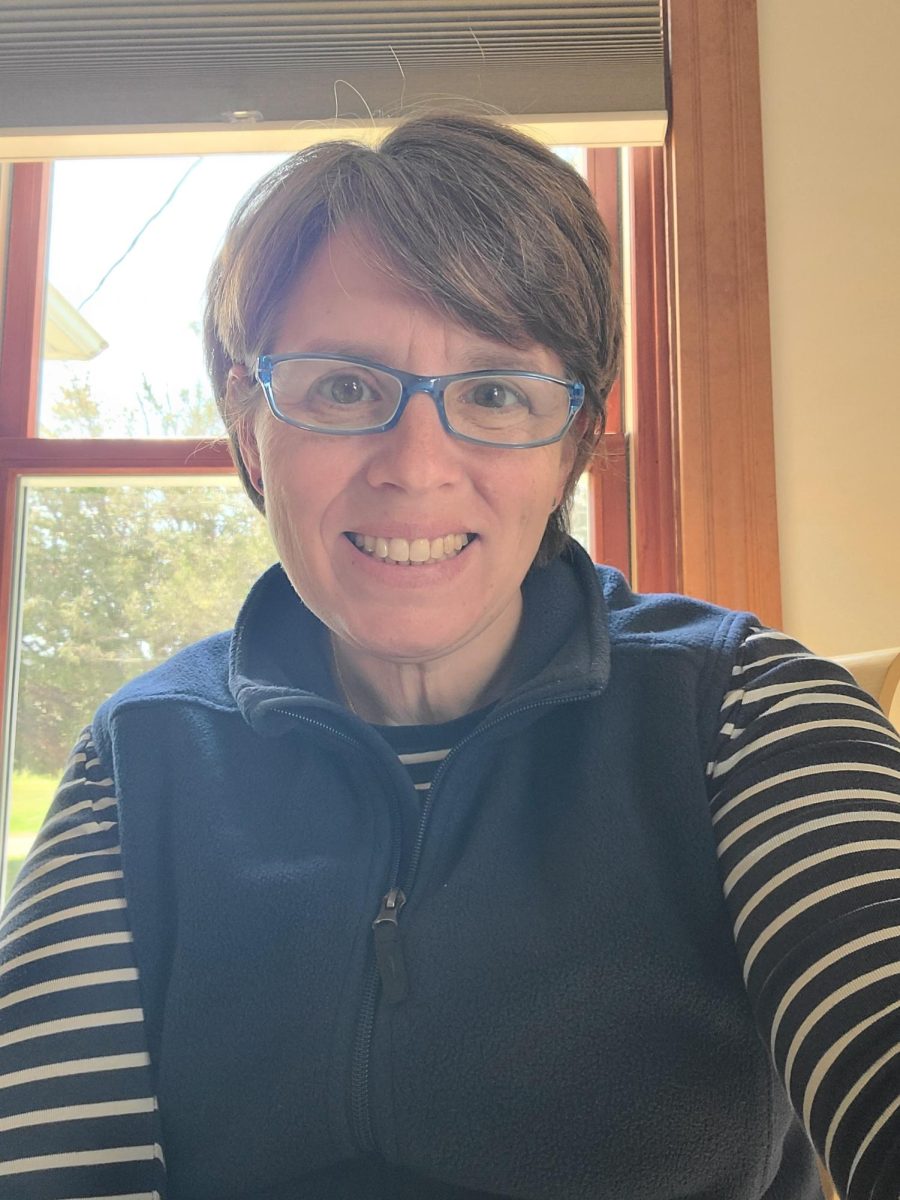





























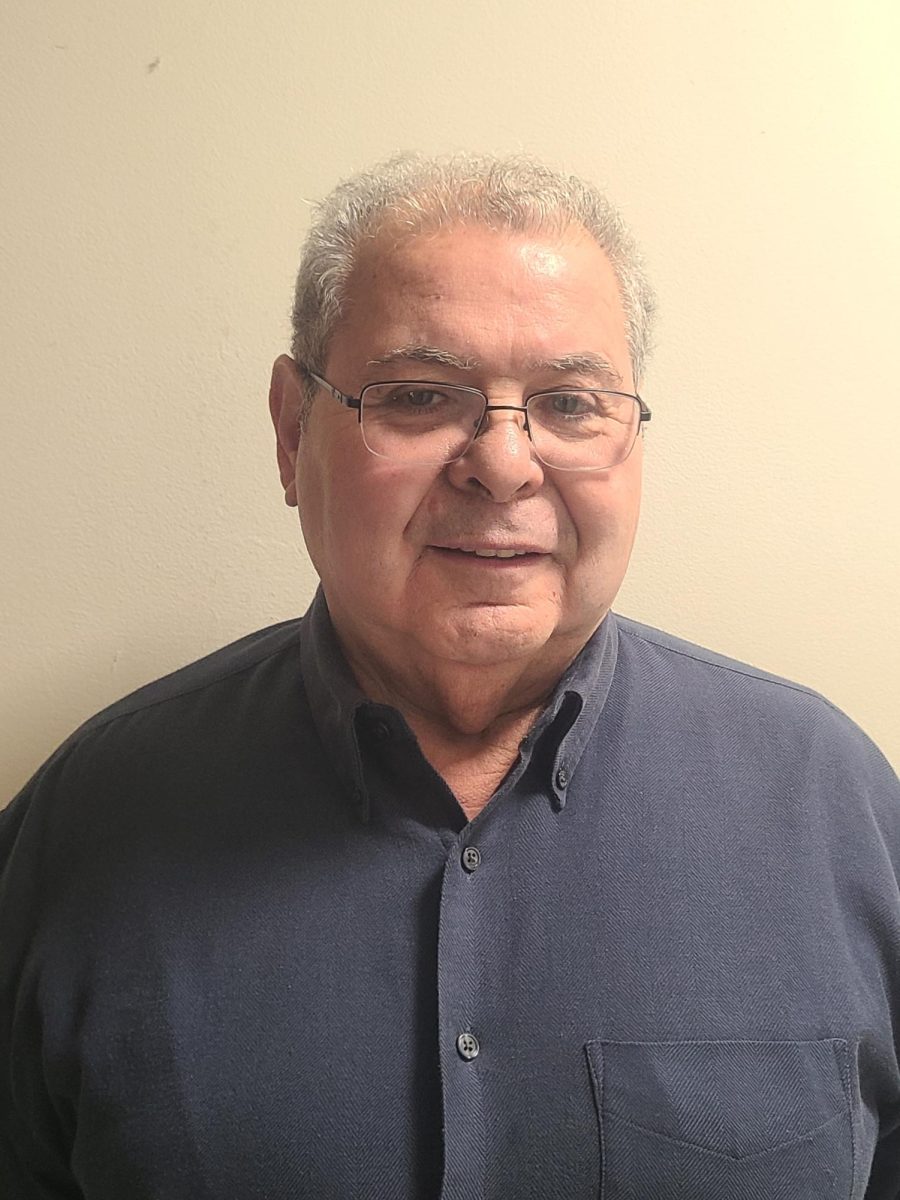
SuttonHighNews conducted an interview with each candidate running for an office. Our goal is to provide a more comprehensive look at each candidate so voters can make an informed decision.
SuttonHighNews is not endorsing any candidate. The interviews are being released in a random order with no intent to give anyone more or less time.
All candidates were given the questions in advance. We asked the same questions, in the same order, to each candidate for a particular position.
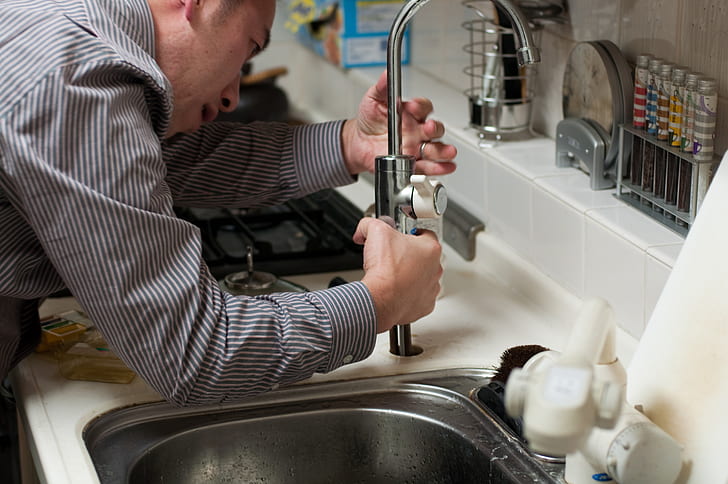
Q: Maintenance and Safety—If a person’s housing has a broken heater or a leaky roof, how will you make sure it gets fixed quickly?
A: The safety of all residents should be our highest priority. They have entrusted us with their well-being, and we should take that responsibility seriously. To ensure prompt response to any issues, a maintenance staff member should be on call 24 hours a day, seven days a week, on a rotating basis. That on-call individual would address all emergency repairs directly, or would contact the appropriate professionals to resolve the situation. Any permanent repairs would be scheduled. And completed in a timely manner.
Q: Helping More People—How do you see this committee dealing with local affordable housing?
A: I have been a resident of Sutton for 40 years. I’ve worked in housing for more than 30 years. I’ve seen the challenges from both sides. There are several ways we can begin to address this issue. One approach is to work with the local and regional agencies to help maintain and improve the existing housing, while also exploring other creative ways to develop new options. There is land in town that currently cannot build on due to certain code restrictions. It may be time to revisit those limitations, to see if they can be adjusted and can be responsible for expanding affordable housing opportunities. We could also consider creating a program that would bring together current landlords in town to help provide more affordable rental options even for units that may not meet traditional channels but could be improved with guidance and support. These are just some ideas. This is a complex issue, but I believe that working together at a local level in the town of Sutton can make meaningful progress.
Q: Managing Money—How will you make sure the money the town gets for housing is spent on important things, like repairs and safety?
A: Serving on a housing committee means managing public money carefully, fairly, and responsibly. My approach would be based on planning, transparency, and prioritizing the greatest needs first. Safety and basic living conditions would always come before cosmetic improvements.
First make sure there is a clear yearly budget that tracks all income and expenses. Every dollar spent should have a purpose and be reviewed carefully. I believe in separating projects into priorities:
- Emergency and Safety Repairs First
Issues such as broken heating systems, leaking roofs, electrical hazards, plumbing failures, or unsafe living conditions must be addressed immediately. Protecting residents’ health and safety is always the top priority. As stated before - Preventive Maintenance
Taking care of buildings before major problems develop saves money in the long run. Regular inspections, maintenance schedules, and timely repairs help avoid costly emergencies later. This is where communication with the residence as the have a day to say observation of the property - Long-Term Improvements
After safety and maintenance needs are met, funds can be used for upgrades that improve quality of life, energy efficiency, accessibility, and overall comfort for residents. The monies would also help in working to get moree affordable housing in the town
I have done the following in the properties I have
- Comparing bids and seeking competitive pricing from contractors
- Monitoring projects closely to avoid wasteful spending
- Applying for grants or outside funding whenever possible
- Keeping accurate records so taxpayers and residents understand where money is being spent
- Working together with other committee members and listening to residents’ concerns
Q: Community Rules—Some housing projects have rules about pets, parking, noise, or other issues. How will you decide if a rule is fair for everyone?
A: Whether in a personal relationship, a neighborhood, or a larger community, living together successfully depends on mutual respect, communication, and clear expectations. Rules and agreements are important because they provide structure, consistency, and a common understanding of what is expected from everyone involved. Without clear guidelines, misunderstandings can develop, trust can erode, and conflicts can become more difficult to resolve.
For rules to be effective, they must be applied fairly and consistently to everyone, without favoritism or selective enforcement. Residence are more likely to respect policies when they believe the process is fair and that everyone is being held to the same standards. Consistence also helps build trust within a community and creates a sense of stability and accountability.
At the same time, rules should not remain fixed forever. Communities, families, and housing needs change over time, and policies should be reviewed periodically to make sure they still serve the best interests of the residents affected by them. There should be an open and transparent process for reviewing concerns, considering different viewpoints, and making reasonable updates when necessary. Giving residents an opportunity to provide input helps encourage cooperation and ensures that decisions are informed by real experiences and practical needs.
Clear written policies and procedures are also essential. When expectations, responsibilities, and processes are clearly documented, it reduces confusion and prevents unnecessary disputes. Written guidance helps ensure that everyone has access to the same information and understands how decisions are made, how concerns can be addressed, and what steps are available if problems arise.
In a housing or community setting, this approach helps create a safer, more respectful, and more stable environment for everyone. It encourages accountability while also recognizing the importance of compassion, communication, and fairness. Strong communities are built not only through rules, but through transparency, participation, and a shared commitment to treating people with dignity and respect.
Q: Listening to Residents—If residents are unhappy with how the buildings are being managed, what is the best way for them to talk to you?
A: Residence should always have a way to be heard. They should be able to contact management through office visits, phone, e-mail or traditional mail, the meeting should also be on the town’s access channel. If necessary, they should also have access to contact information from the board members to request the meeting. Residents should be notified as promptly as possible about important matters. Since meetings are publicly posted, residents should be encouraged to attend and participate. Open communication and accessibility are essential in building trust and addressing concerns effectively.
Q: The Big Picture—Would you rather spend money to build brand-new apartment buildings or use the same money to fix up old ones? Why?
A: I don’t believe one approach should replace the other. We should be able to pursue both options at the same time. While some existing buildings can and should be updated and modernized, we can also explore opportunities to build new housing to meet growing demand. A balanced approach allows us to address both current and future needs in a practical and responsible way.
Improving existing housing can often be one of the fastest and most cost-effective ways to help residents. Many older buildings may need repairs, energy-efficient upgrades, improved accessibility, or modernization to meet today’s standards. By investing in these properties, we can help preserve affordable housing, improve safety and quality of life for tenants, and protect the long-term value of the community’s housing stock.
At the same time, we also need to recognize that demand for housing continues to grow. Families, seniors, veterans, and people who work in the community all need places they can afford to live. New affordable housing development, when planned carefully and responsibly, can help meet that demand while reducing pressure on existing housing and rental costs.
I believe the best solutions come from working together, listening to residents, property owners, local officials, and housing professionals, and remaining open to practical ideas. There is no single solution to the housing challenges we face, but by combining modernization, maintenance, and carefully planned new development, we can create stronger, safer, and more affordable housing opportunities for both current residents and future generations.
Q: Leadership—One of your biggest jobs is hiring the person who runs the day-to-day work (the Executive Director). What kind of boss would you look for to lead our housing team?
A: The person in this role should possess strong interpersonal and communication skills, with the ability to work effectively and respectfully with a wide range of individuals, including residents, contractors, committee members, and town officials. They must be able to remain calm under pressure, handle difficult situations professionally, and make fair, well-reasoned decisions when challenges arise.
Strong leadership is essential in this position. The individual should be able to work collaboratively with contractors and residents to identify concerns, prioritize needs, and resolve issues in a timely and effective manner. They should lead by example through professionalism, accountability, and consistency in decision-making.
Equally important is the ability to build trust within the community. Residents need to feel that their concerns are being heard and addressed fairly, while contractors and staff should understand that expectations are clear and communication is open and respectful. A successful leader in this role will promote transparency, encourage cooperation, and focus on finding practical solutions that benefit the community as a whole.
Q: What specific message would you like to share with the voters?
A: We are living in very challenging times, with rent and the overall cost of daily living continuing to rise. It is essential that we do not lose sight of those in our community who need access to safe and affordable housing.
There is no single, one-size-fits-all solution to this issue. However, if we are willing to work together—residents, local leaders, and housing providers—we can make a real and lasting difference. The people of Sutton have already demonstrated that when a community comes together with a shared purpose, meaningful progress is not only possible, but achievable.
With over 30 years of experience working in this field, I bring both practical knowledge and a deep understanding of the challenges we face. I am committed to using that experience to help find balanced, realistic solutions that serve both current and future housing needs in our community.