












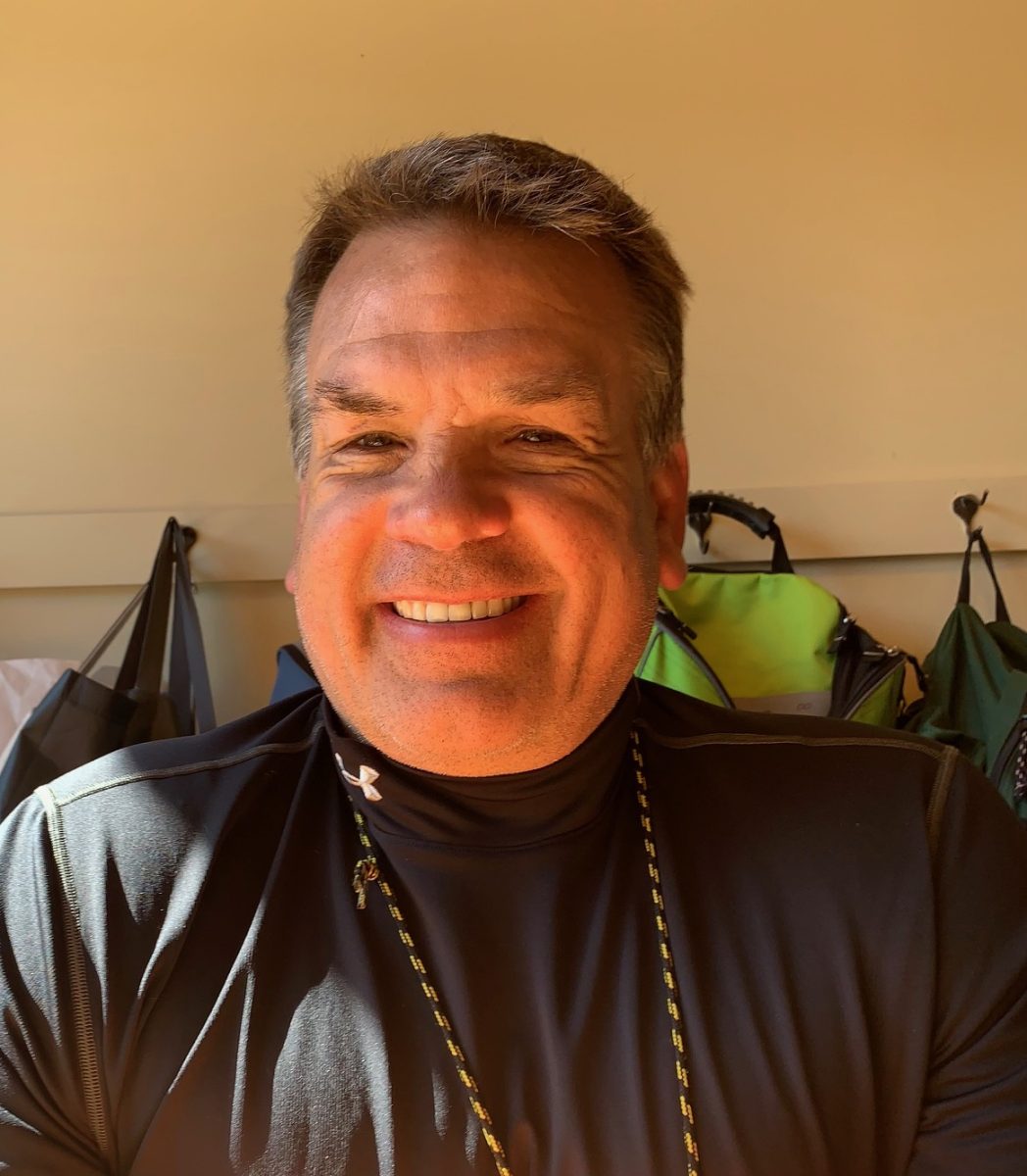
SuttonHighNews conducted an interview with each candidate running for an office. Our goal is to provide a more comprehensive look at each candidate so voters can make an informed decision.
SuttonHighNews is not endorsing any candidate. The interviews are being released in a random order with no intent to give anyone more or less time.
All candidates were given the questions in advance. We asked the same questions, in the same order, to each candidate for a particular position.
Q: The Budget: how do we maintain a healthy budget and not run up a deficit or place too heavy a burden on the townspeople?
A: The simple answer is to not spend what you don’t have. Planning that increases the tax base long term, mostly from attracting businesses, is necessary as is spending in the short term based on what you have short term. Citizens cannot be short sighted when they see a single snap shot showing large funds in an account. The reality usually is that it is there to fund a liability we already have or it is amassed for a one-time large infrastructure need like paving a road, fixing the leak in the school roof or Senior center roof. Nor can the town be short sighted and spend what it does not have. The easy answer is raising taxes. However, there are a large number of households in Sutton who cannot afford an increase in expenses including taxes. If those expenses go up, they will be forced to leave. Some not immediately but even the trickledown effect of rents increasing will force it in a year or two. Those households deserve representation as much as those that can afford a tax increase to ease the burden on the budget.
Every town, business, household, is forced to have a balanced budget or the cash flow to pay on the debts they borrowed while still having the funds to pay for current week to week activities. Until there is a certainty of what money is coming in next quarter, we need to prioritize what gets money. Sometimes it’s a full budget for every department, other times there are urgencies that mean less for some lower priorities. Many will say that we need to increase the budget and we should all be willing to pay more to have nice things. While that is true, reality is the short-term spending we do depends on the money we have now.
As a side note to that based on the “not run up a deficit” part; ask yourself a question as the Youth of America in this journalism class. If a healthy budget includes spending anything you don’t have including unfunded liabilities that you are accruing now, who is going to be responsible for that debt to be paid back? The answer is you, by design. Look and the debt increases for two decades for example. Since 2006 when babies were born who are in or just hitting the workforce now, this Commonwealth and The United States has amassed debt yearly. Almost every time, especially when we can label anything a crisis, that debt is sold in 2,3,5,7 year bonds. It is then rolled into 10 and 30 year notes as it comes due so that those issuing the debt aren’t around to pay it back, you are. At a local level we need to be smarter than that.
Q: Problem Solving: What do you think is the biggest problem facing our town right now, and what is your plan to fix it?
A: Same as above, budget issues plus the school district. I don’t think there is any one plan that can fix it. It took time for these problems to amass so it is going to take time to fix. It should be a two-sided approach. Short term we need to re-examine and do line-item analysis of our spending. Town Hall is obviously doing this now. Long term, increase the tax base as much as possible with businesses while trying to protect tax payers and property values. As a business owner, the first step in a short-term plan is not to take on more expenses until you are covering the ones you have. Second is look at the line-item expenses that have risen the most. For the last several years that is 20% up on everything from paper, tires for town vehicles, to electricity to keep the lights on. This year the greatest increases will be Health insurance, oil-based Highway Dept supplies, etc. Are there more cost-effective options to get what we need? Are there options for buying different plans or joining with other rural towns to increase our purchasing power or to share expenses as we have with Douglas in transportation for some students? Again, the town hall is doing this but there can be no lapse in this effort every quarter. Every little bit of savings helps and every line item paid needs to be good for the town.
More long-term portion in question 3.
Q: How will you make sure our town stays a nice place to live while also allowing new businesses or houses to be built?
A: Second part or long-term plan should be to fill the need to increase our tax base. A lot of new homes are being built or have been in the last two years that will increase the tax base a bit. Because the Rt 146 corridor is already being built up, and because that is where it is easiest transportation wise and visibility wise to start a business, continue in that direction. Leverage that corridor and be business friendly and be open minded towards business that want a foot print there. However, I do not think we need to give multiyear tax breaks to new businesses to attract them here. The towns infrastructure including the education system need funding currently not just in future years when those businesses may start to contribute.
Keeping Sutton a nice place to live means maintaining its rural nature with open spaces, farmland, trees. That means not changing much of the residential zones and making sure what is built in them is consistent with what we already have in those zones.
Q: Listening to People: If a lot of neighbors are angry about a new rule the board wants to pass, how will you make sure their voices are heard before you make a decision?
A: The board should not want to pass any rule that a lot of neighbors are angry about. Period. It should be compromised towards the middle where both sides are happy or at least not angry. I think the town is doing a good job of getting the information out on its web page for citizens. Meeting agendas, minutes, and packets are visible and can be looked at in a fairly short time. There are email addresses for committees’ and public forms at meetings for any who are angry or want an opinion to be heard. At fall and spring town meetings citizens can voice their opinions. Despite our politicians and journalists carelessly throwing around the word democracy, this is an Important example why we were not to be one. For any rule that up to 49% of the people are angry about, the 51% should not force it upon them. Compromise, find middle ground, or it doesn’t pass.
Q: Setting Priorities: Would you rather spend money on maintaining/fixing all the roads or maintaining the quality of our schools? Why?
A: I wouldn’t pick one over the other. Both departments need transparency and accountability but the similarities end there.
Students deserve the opportunity to absorb as much knowledge as each can, and the best education that can be provided. It is the biggest town expense because it is that important. However, one can’t be chosen over the other. The 100% of the citizens of Sutton who use the roads for transportation or to get them what they need to sustain themselves need to compromise at times knowing how important education is. The less than 20% that have children in the school system need to compromise and understand infrastructure required to keep the town going is necessary as well. Neither can be a singular focus.
Q: Public Safety: What can the Select Board do to make sure our police, firefighters, and snowplow drivers have exactly what they need to keep us safe?
A: Space, training, necessary equipment. Space to do their jobs is what we can all give them. Continuing education or training and equipment is necessary as much as the budget allows it. The funding we are getting from the state is not increasing in this area so the town needs to continue balancing needs, these departments being three of them.
Q: Teamwork: Sometimes the Select Board members disagree on an issue. How will you work together to come to a compromise about a problem where everyone doesn’t agree?
A: Listen to opposing opinions and try to understand them. Then respect the vote. Each member is allowed to speak on every issue before the board if they chose to. None of it is personal even if views differ. Listen, then voice my opinion when it varies, then respect the vote.
Q: Why do you want this position? What is your message to voters?
A: The number of rural towns in Massachusetts is shrinking. I would like to keep Sutton a rural safe town that our kids want to come back to and where there is more for them and everyone to be involved with than a view of the world through 3 by 5 phone screen.