












You have a favorite shirt; you wear it everywhere you go. You always get complimented on the patterns on the shirt and how it looks on you.
Until you hear someone say, “That shirt is SO last year.”
After hearing that you get upset and decide you hate the shirt that used to be your favorite and now you want a new one. You go to the mall and find a new, very in-fashion shirt that you love, and so you buy it. You think about your old favorite shirt and decide you want to throw it away, so you do. Where does that shirt end up?

About 62.5% of unwanted clothes that are thrown away go to landfills, and these landfills can take decades and hundreds of years to decompose. While they are slowly decomposing, they release greenhouse gases like methane into the atmosphere and this gas will eventually become powerful to the point it affects humans.
Only about 16% of the thrown away clothing is reused and made into useful things. So what should we do?
For example, something you could do to avoid your clothes (in all likelihood) becoming toxic chemicals is repairing your articles of clothing rather than resorting to trash. If a shirt or pair of pants has a hole, sew it! If you don’t know how you can use this experience to learn a new skill. You could even ask a friend or go get it repaired at a shop.
You could also easily donate your slightly worn clothing. If something is more out of style than you want, just donate it. If someone is in need, I guarantee they do not care that the style was more popular a year or two ago. Throwing perfectly good clothing away is a waste and will only cause more problems.
I’m not say that if there is a massive stain on the front of that sweatshirt and holes all through the back that you still need to donate it or sew it, but if the clothing has been lightly worn and maybe has slight tearing, it’s so much better to donate it or repurpose the item!
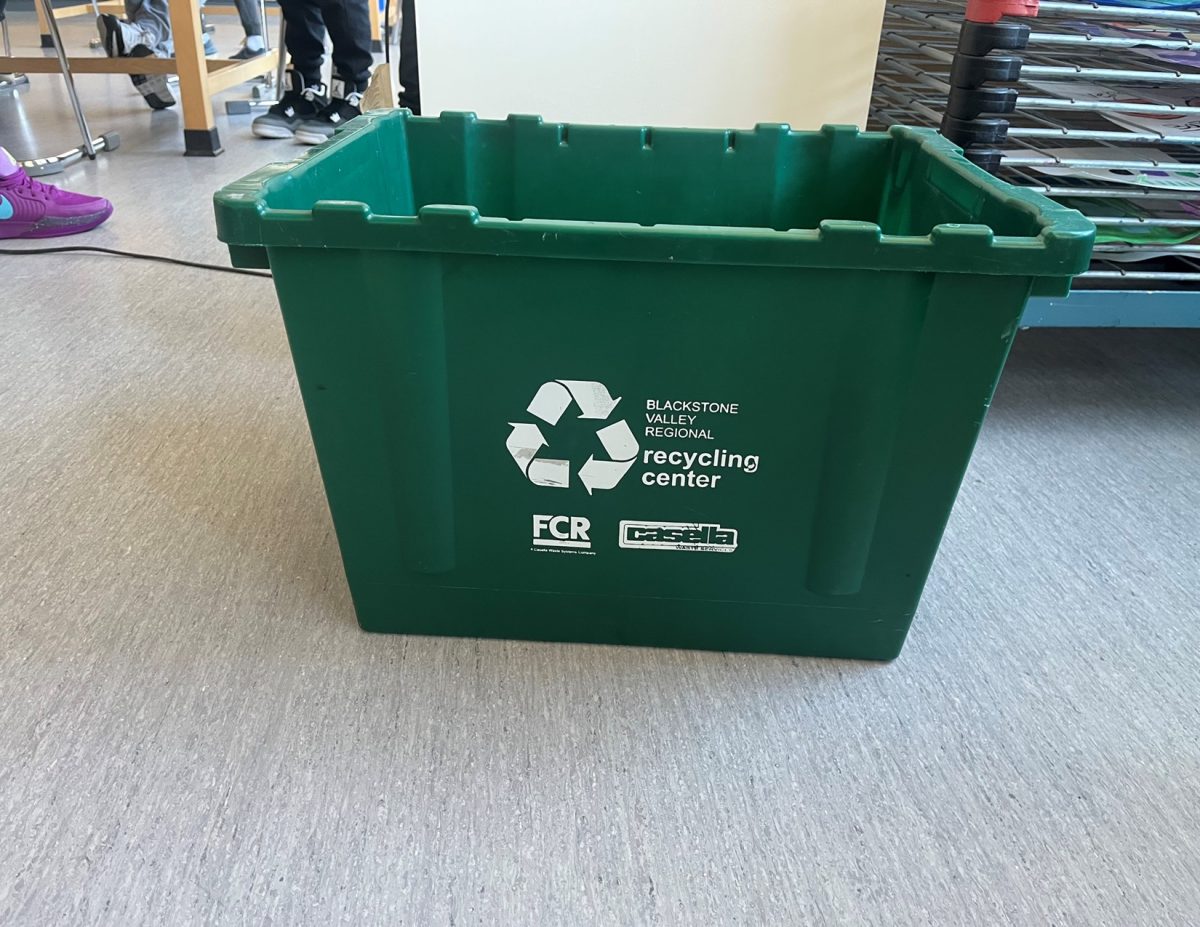
Recycling is also a good way to make room in your closet or discarded old clothing. Only about 16% of recycled clothing is actually made into better things! These are not good odds as the other 84% is said to end up in landfills. But some is better than none.
In the end we need to stop the excessive growth of landfills to create a healthier environment for everyone. If your clothes are worn but can still be used, donate them! If your friend wants something that you don’t want, give it to them! Make your old clothes into new clothing and use your imagination so we can make the world all that much more healthy!